




If you’ve noticed a sudden increase in urinary urgency during perimenopause or menopause, you’re not imagining it.
Many women experience a stronger, more frequent “need to go” feeling during hormonal transitions. And while it can feel random or frustrating, there is a very real physiological explanation.
Hormone changes can absolutely affect urinary urgency.
Let’s break down why.
What Is Urinary Urgency?
Urinary urgency is the sudden, intense need to urinate — often feeling like you need to find a bathroom immediately.
It may come with:
• More frequent trips to the bathroom
• Waking at night to urinate
• A smaller window between urge and leak
• Anxiety about not making it in time
For many women, this symptom first appears or worsens during midlife.
How Hormones Influence Bladder Function
Estrogen plays an important role in supporting the tissues of the bladder, urethra, and pelvic floor.
When estrogen levels begin to fluctuate during perimenopause — and decline during menopause — several changes can occur:
• Bladder tissue may become more sensitive
• The urethral lining can thin
• Pelvic support structures may weaken
• Inflammation levels can shift
• Nervous system sensitivity can increase
This combination can make the bladder feel more reactive, even when it is not full.
It is not just about muscles. It is about tissue health, nerve signaling, and support.
Why Urgency Often Increases During Perimenopause
Perimenopause is a time of hormonal unpredictability. Estrogen may rise and fall in uneven patterns before declining more steadily.
This fluctuation can make symptoms feel inconsistent.
One week you feel fine. The next, urgency seems stronger.
This is common.
Hormonal shifts can increase bladder sensitivity and make the detrusor muscle — the muscle that helps empty the bladder — more reactive.
The result? That sudden, urgent feeling.
The Stress and Hormone Connection
Midlife is not only a hormonal transition. It is often a life transition.
Career demands, caregiving, sleep disruption, and emotional stress can compound hormonal changes.
Stress activates the nervous system and can heighten bladder sensitivity even further.
Supporting both hormonal balance and nervous system regulation can make a meaningful difference.
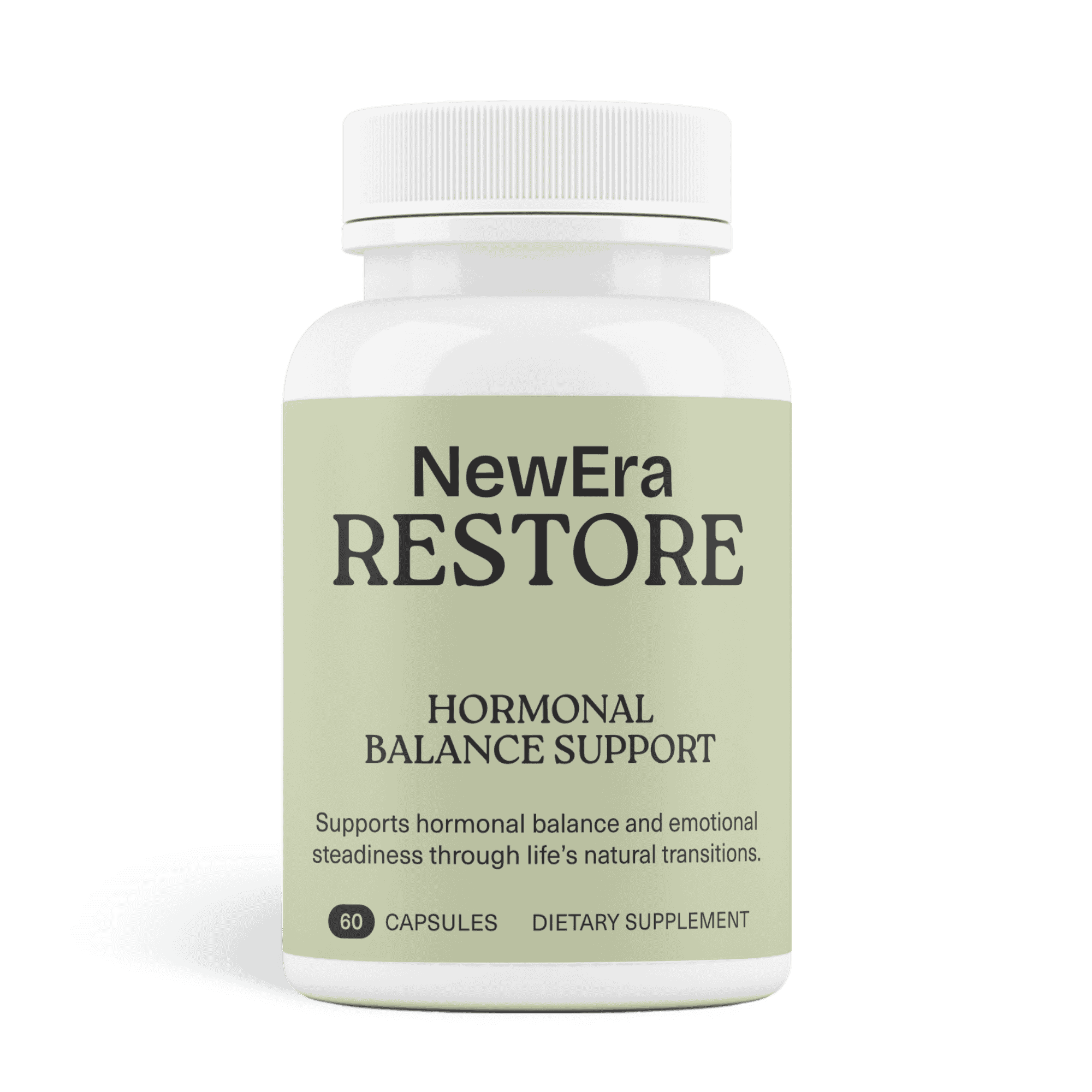
NewEra Restore was formulated to support hormone balance and emotional wellness during midlife transitions.
NewEra Calm was specifically created to support stress, mood, and nervous system health.
When the nervous system feels steadier, bladder urgency often feels less intense.
This is because the bladder and brain are in constant communication.
Is Urgency Permanent?
Not necessarily.
Many women see improvement when they:
• Support hormone balance
• Reduce chronic stress
• Restore pelvic floor coordination
• Improve posture and breathing patterns
• Support tissue health internally
Bladder urgency during midlife is common. It does not automatically mean something is permanently wrong.
Movement Matters
When urgency increases, many women try to strengthen aggressively with Kegels.
But urgency is not always a strength issue. It is often a coordination issue.
A pelvic floor that cannot relax fully may contribute to urgency symptoms.
Gentle, functional movement programs that support the entire core system — rather than isolated squeezing — can help restore balance.
Pelvic Floor Strong focuses on improving coordination between posture, breathing, and pelvic support so the bladder does not feel like it is in control.
When to Speak With a Professional
If urgency is severe, painful, or accompanied by:
• Burning during urination
• Blood in urine
• Fever
• Sudden dramatic changes
You should speak with a healthcare provider to rule out infection or other medical causes.
But for many women in midlife, urgency is tied to hormonal and nervous system shifts rather than infection.
The Bottom Line
Can hormone changes affect urinary urgency?
Yes.
Hormonal shifts during perimenopause and menopause can increase bladder sensitivity, affect tissue support, and disrupt nervous system balance.
The good news is that urgency can improve with the right support.
You are not losing control.
Your body is adapting to change.
And with steady, whole-body support, it can adapt in a way that feels more comfortable again.
Frequently Asked Questions
Does low estrogen cause urinary urgency?
Lower estrogen levels can increase bladder sensitivity and affect urethral tissue support, which may contribute to urgency.
Is urinary urgency common during perimenopause?
Yes. Hormone fluctuations during perimenopause often increase bladder sensitivity and urgency symptoms.
Can urgency improve naturally?
Many women improve urgency with pelvic floor coordination work, stress reduction, and supportive nutrition. Restoring healthy breathing patterns, improving posture, and reducing chronic tension can help calm the nervous system and reduce bladder reactivity.
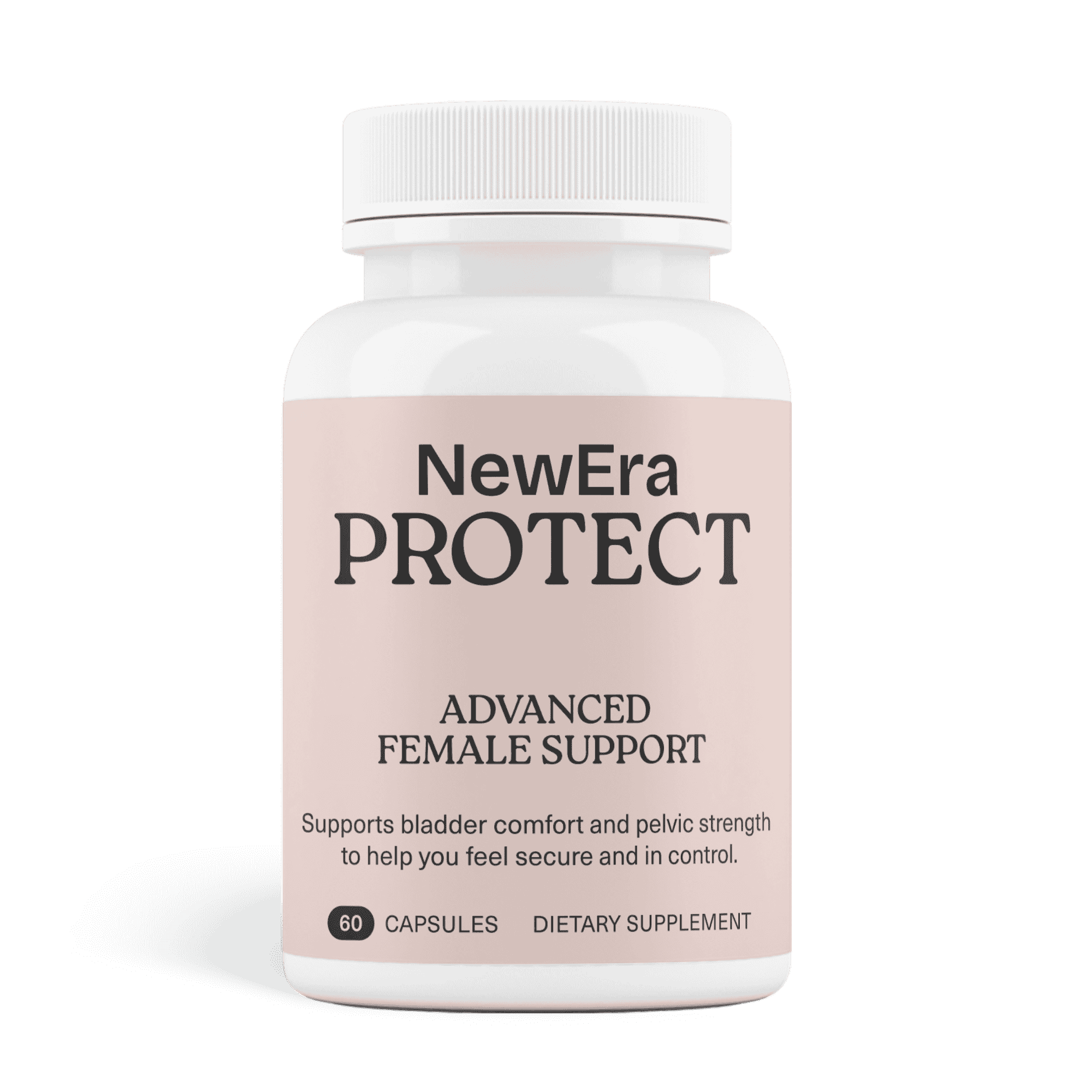
Internal support can also play a role. NewEra Protect was formulated to support bladder tissue integrity and pelvic support from within. When movement, nervous system regulation, and targeted nutritional support work together, many women notice meaningful improvements in urgency and overall bladder confidence.
Is urgency the same as overactive bladder?
Urgency is a symptom of overactive bladder but can also occur independently due to hormonal and nervous system shifts.
Before letting you go, I do want to mention that this article is meant for educational purposes only and reflects my experience working in the pelvic health space. I am not a medical doctor, and this content is not a substitute for professional medical advice, diagnosis, or treatment. Please consult your healthcare provider before starting any new supplement or wellness routine.
With love,
Alex Miller

Alex Miller is the founder of NewEra Naturals and the creator of Pelvic Floor Strong. She has spent over a decade helping women understand and support their pelvic health naturally. Alex lives in Canada with her daughter, Linen, and is passionate about empowering women through education, movement, and simple daily support.
Read more
Wondering how long it takes to improve bladder control naturally? Learn realistic timelines, what affects progress, and how to support lasting results.
Can supplements help bladder leakage? Learn how targeted nutrients support bladder tissue, pelvic health, and midlife urinary control naturally.
Leave a comment
All comments are moderated before being published.
This site is protected by hCaptcha and the hCaptcha Privacy Policy and Terms of Service apply.