




If you’re dealing with bladder leaks, urgency, or that constant “where’s the bathroom?” feeling, one question probably sits in the back of your mind:
How long is this going to take to fix?
The honest answer is this:
Improving bladder control naturally takes consistency, not perfection. And most women begin noticing changes sooner than they expect when they’re following the right approach.
Let’s talk about realistic timelines and what actually makes the biggest difference.
What “Improvement” Really Means
Before we talk about timing, we need to define what improvement looks like.
For most women, it happens in stages:
• Fewer leaks during coughing or laughing
• Less urgency
• Longer time between bathroom trips
• More confidence leaving the house
• Reduced anxiety around accidents
Progress is often gradual, not dramatic overnight. But it builds.
Typical Timeline for Natural Bladder Control Improvements
Every body is different, but here’s what many women experience when they address bladder control holistically.
Weeks 1–2: Awareness and Nervous System Shifts
In the first couple of weeks, changes are often subtle.
You may notice:
• Better awareness of pelvic floor tension
• Improved breathing patterns
• Slight reduction in urgency episodes
• Feeling more in control during certain movements
This stage is about coordination, not strength.
If stress has been contributing to symptoms, calming the nervous system alone can create early improvements.
Weeks 3–6: Measurable Changes
This is when many women begin seeing noticeable shifts.
You may experience:
• Fewer leaks during daily activities
• Longer gaps between bathroom visits
• Less intensity in urgency
• Improved core and pelvic stability
Consistency matters here. Gentle, functional movement — not aggressive squeezing — tends to create more reliable progress.
Programs like Pelvic Floor Strong focus on restoring coordination between posture, breathing, and the pelvic floor. When the body starts working together again, symptoms often decrease.
8–12 Weeks: Stronger, More Stable Results
By the two to three month mark, many women experience meaningful improvement.
This can include:
• Significant reduction in stress incontinence
• Improved bladder confidence
• Fewer nighttime trips
• Less mental stress about leaks
If bladder tissue support or hormonal shifts are part of the picture, nutritional support may also help during this stage.
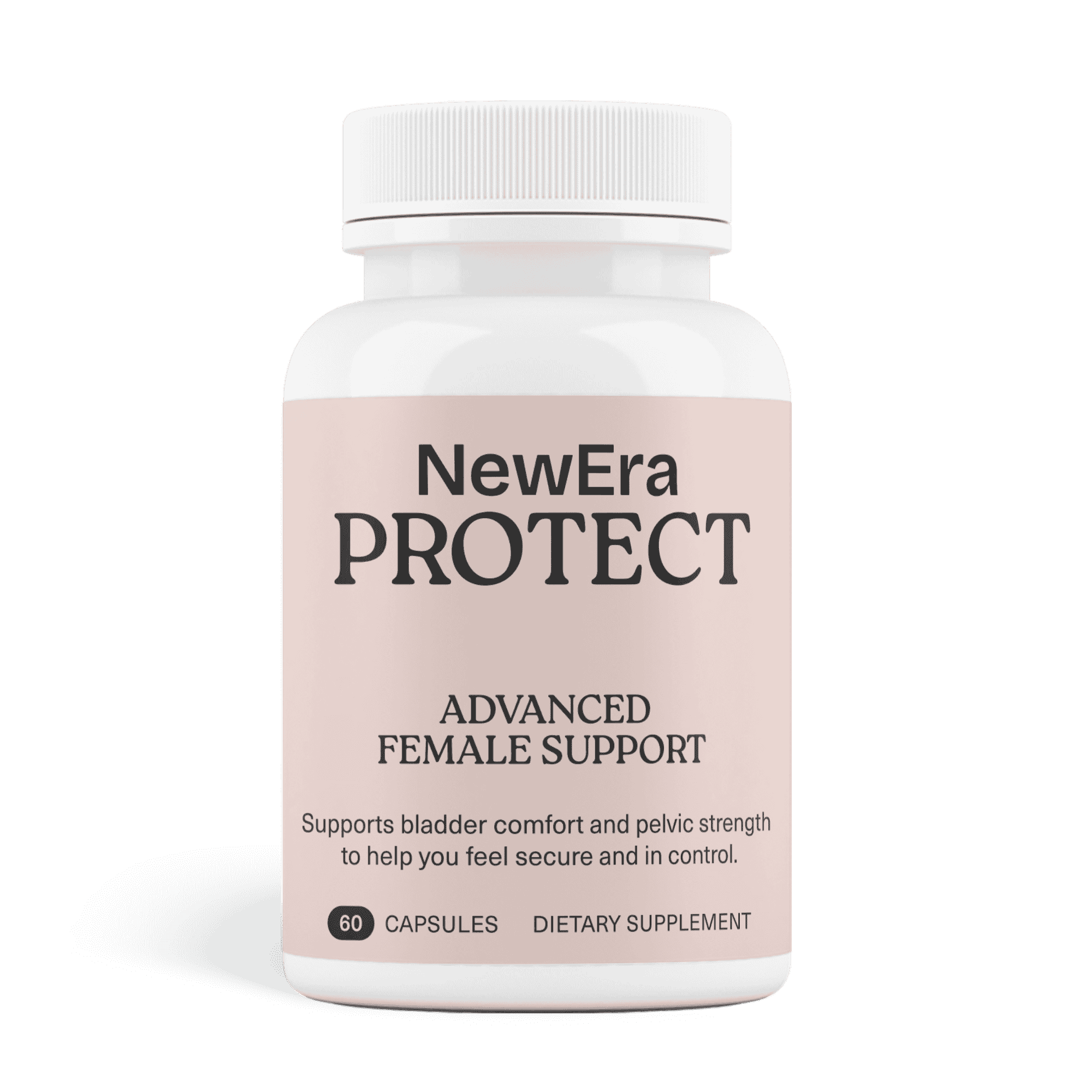
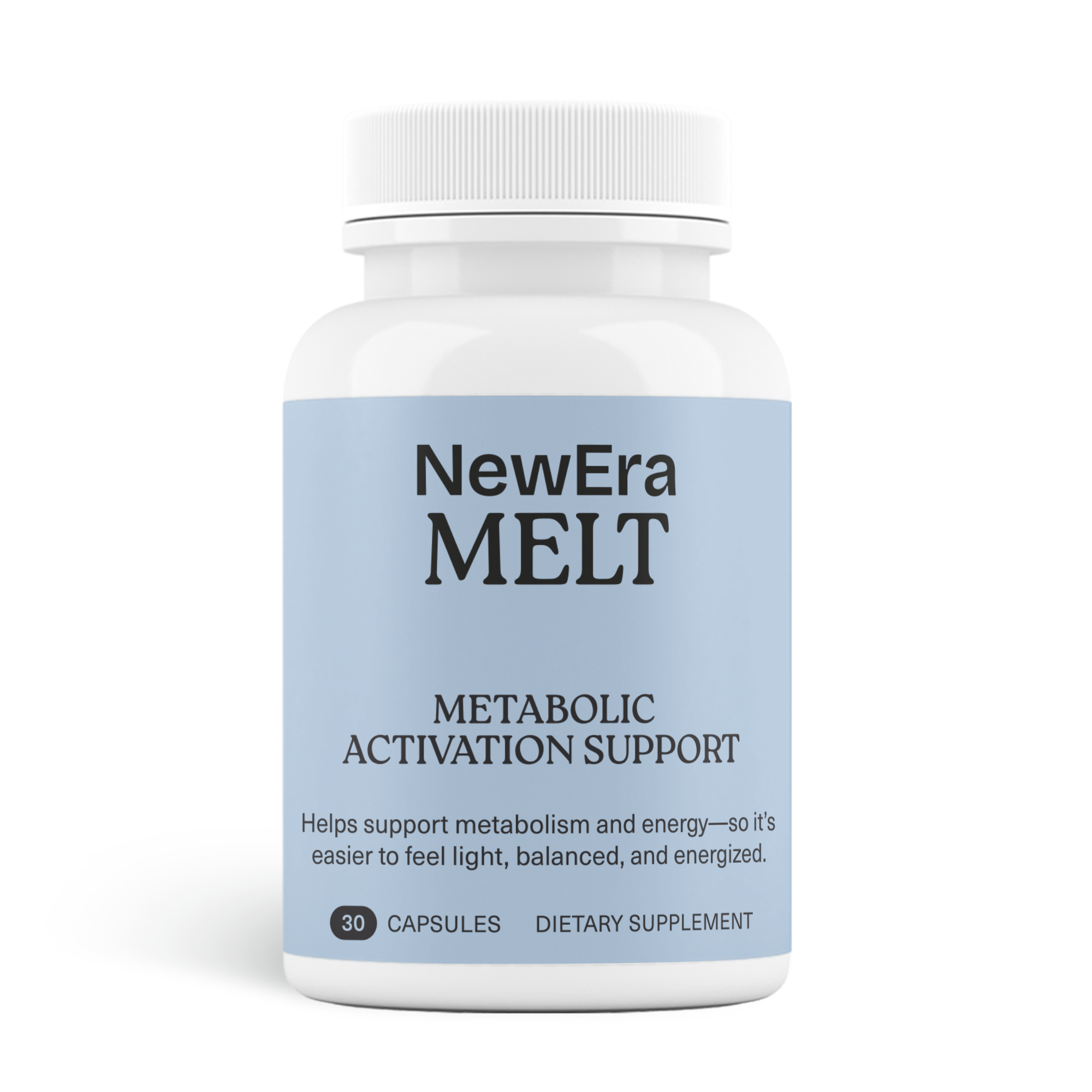
NewEra Protect was formulated to support bladder tissue integrity and pelvic support from within. Many women choose to combine movement and internal support for more comprehensive results.
What Slows Progress?
If improvement feels stalled, it is usually not because you are “too far gone.”
Common barriers include:
• Chronic stress keeping the nervous system activated
• Overdoing Kegels without full relaxation
• High-impact workouts that increase pressure
• Hormonal shifts during perimenopause or menopause
• Inconsistent routines
Bladder control is not just about muscle strength. It is about coordination, tissue health, and nervous system balance.
The Role of Stress and Hormones
For women in midlife, stress can make bladder symptoms feel worse and recovery feel slower.
Supporting emotional balance and nervous system regulation can speed progress.
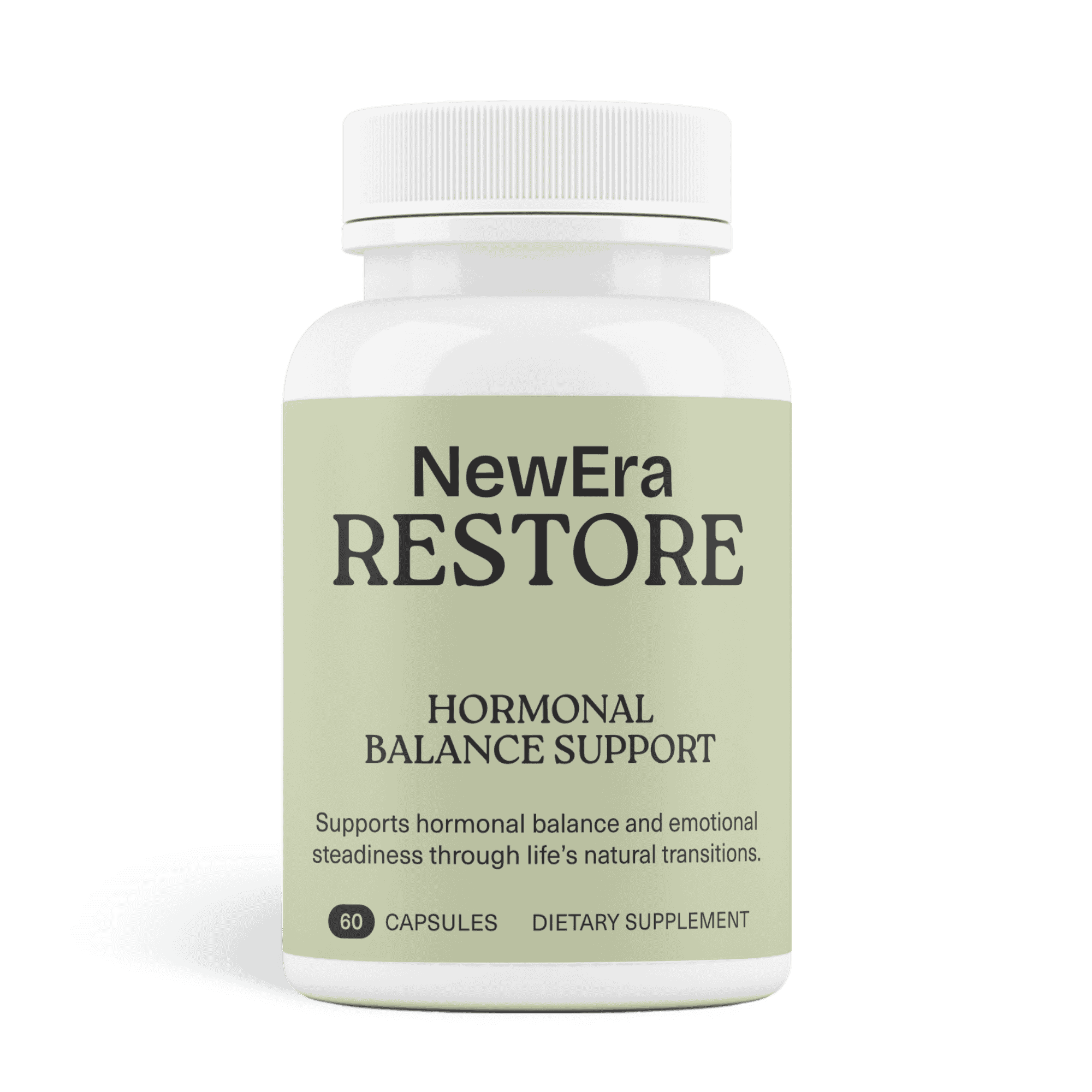
NewEra Restore was created to support hormone balance and emotional wellness during midlife transitions.
NewEra Calm specifically supports stress, mood, and nervous system health.
When the nervous system feels safer and more regulated, pelvic floor function often improves more easily.
This is why some women notice progress accelerate once stress is addressed alongside physical exercises.
Can Bladder Control Improve at Any Age?
Yes.
Women in their 40s, 50s, 60s, and even 70s can improve bladder control naturally. The body remains adaptable throughout life.
What matters most is:
• Using the right strategy
• Staying consistent
• Supporting the whole system
• Avoiding fear-based thinking
It is rarely too late. But it does require patience.
What If You Don’t See Improvement?
If you have been consistent for 8–12 weeks and see no change at all, it may be time to:
• Adjust your movement approach
• Evaluate stress levels
• Consider hormonal factors
• Speak with a pelvic health professional
Most women improve when they shift from force to coordination.
The Bottom Line
How long does it take to improve bladder control naturally?
Most women notice early shifts within 2–4 weeks.
More meaningful changes often appear between 6–12 weeks.
Bladder control is not rebuilt overnight. But with consistent support — movement, nervous system regulation, and internal nourishment — it can absolutely improve.
You are not stuck.
You are rebuilding.
And that takes time.
Frequently Asked Questions
Can bladder control improve without surgery?
Yes. Many women improve symptoms significantly through pelvic floor coordination, lifestyle adjustments, and internal support.
How many weeks of pelvic floor exercises before improvement?
Most women begin noticing changes within 3–6 weeks when exercises are done correctly and consistently.
Does age affect bladder recovery time?
Recovery may be slower during hormonal transitions, but improvement is possible at any age.
Can stress slow bladder improvement?
Yes. Chronic stress can disrupt pelvic floor coordination and delay progress.
Before letting you go, I do want to mention that this article is meant for educational purposes only and reflects my experience working in the pelvic health space. I am not a medical doctor, and this content is not a substitute for professional medical advice, diagnosis, or treatment. Please consult your healthcare provider before starting any new supplement or wellness routine.
With love,
Alex Miller

Alex Miller is the founder of NewEra Naturals and the creator of Pelvic Floor Strong. She has spent over a decade helping women understand and support their pelvic health naturally. Alex lives in Canada with her daughter, Linen, and is passionate about empowering women through education, movement, and simple daily support.
Read more
Can stress cause bladder leaks? Learn how stress, hormones, and the nervous system affect bladder control in midlife—and what helps support your body naturally. If you want a slightly softer or sli...
Hormone changes after 40 can increase urinary urgency. Learn how estrogen shifts affect bladder control and what supports comfort naturally.
Leave a comment
All comments are moderated before being published.
This site is protected by hCaptcha and the hCaptcha Privacy Policy and Terms of Service apply.