


If you've ever found yourself making multiple trips to the bathroom, feeling sudden urgency, or wondering why your bladder seems more sensitive than it used to be, you're not alone.
One of the questions I hear from women all the time is:
"Could something I'm eating be making my bladder symptoms worse?"
And the answer is... possibly.
While food isn't the cause of every bladder issue, certain foods and beverages can irritate the bladder lining in some women, making symptoms like urgency, frequency, and discomfort feel more noticeable.
The good news?
You don't need to live on a restrictive diet or give up everything you enjoy.
Sometimes a few simple tweaks can make a meaningful difference.
Let's dive in.
Can Food Really Affect Your Bladder?
Yes.
According to the American Urological Association, certain foods and drinks are recognized as potential bladder irritants because they may increase urgency, frequency, or bladder discomfort in susceptible individuals.
The key phrase here is susceptible individuals.
Not every woman reacts the same way.
One woman may drink coffee every morning without a problem, while another notices increased urgency after just one cup.
That's why awareness matters more than perfection.
Common Foods That May Irritate the Bladder
1. Coffee and Caffeinated Drinks
I know.
This is probably the one nobody wants to hear.
Caffeine can stimulate the bladder and may increase the urge to urinate.
This includes:
- Coffee
- Energy drinks
- Some teas
- Certain sodas
You don't necessarily need to eliminate caffeine completely.
Many women find that reducing their intake or switching to half-caf options helps.
2. Artificial Sweeteners
Research suggests that artificial sweeteners may trigger bladder symptoms in some individuals.
Common examples include:
- Aspartame
- Saccharin
- Sucralose
If you're consuming several "diet" products throughout the day, it may be worth paying attention to how your bladder responds.
3. Carbonated Beverages
The bubbles may be refreshing, but carbonation can sometimes irritate the bladder.
This includes:
- Soda
- Sparkling water
- Energy drinks
- Carbonated flavored beverages
Not everyone is sensitive, but many women notice improvement when they reduce these drinks.
4. Citrus Fruits and Juices
Citrus fruits are healthy and packed with nutrients.
However, their acidity can be irritating for some women with sensitive bladders.
Potential triggers include:
- Oranges
- Grapefruit
- Lemons
- Limes
- Orange juice
This doesn't mean citrus is "bad."
It simply means some women may tolerate it differently.
5. Spicy Foods
Spicy foods are another common bladder irritant.
Hot peppers, spicy sauces, and heavily seasoned dishes can increase symptoms for some women.
If you've noticed urgency after a spicy meal, you're not imagining it.
6. Tomatoes and Tomato-Based Products
Tomatoes are another acidic food that may aggravate bladder symptoms in certain individuals.
This includes:
- Tomato sauce
- Salsa
- Ketchup
- Tomato juice
Again, this isn't true for everyone—but it's worth noting if you're trying to identify patterns.
7. Alcohol
Alcohol may increase urinary frequency and urgency because it acts as a diuretic.
Many women notice more bathroom trips after:
- Wine
- Beer
- Cocktails
The effect is often temporary, but it can be noticeable.
What About Chocolate?
Sorry, friends.
Chocolate contains small amounts of caffeine and compounds that may irritate the bladder in some people.
This doesn't mean you have to swear off chocolate forever.
But if you're troubleshooting symptoms, it may be worth observing whether it affects you personally.
Foods That Tend to Be More Bladder-Friendly
Now for the good news.
Many nutritious foods are generally well tolerated.
Examples include:
- Oatmeal
- Brown rice
- Quinoa
- Pears
- Bananas
- Cucumbers
- Green beans
- Sweet potatoes
- Leafy greens
- Lean proteins
- Eggs
- Salmon
- Water-rich vegetables
These foods can support overall wellness while being gentler on the bladder for many women.
My Favorite Tip: Become a Bladder Detective
One mistake I see women make is removing ten foods at once.
Then they have no idea what was actually causing the issue.
Instead, try this:
Keep a simple journal for one to two weeks.
Write down:
- What you eat
- What you drink
- Urgency symptoms
- Frequency
- Any bladder discomfort
Patterns often start to appear surprisingly quickly.
You may discover that your morning coffee isn't the issue at all—but that two afternoon diet sodas are.
Don't Forget About Hydration
This one surprises people.
Some women drink less water because they're worried about having to pee more.
But concentrated urine can actually irritate the bladder.
In many cases, staying consistently hydrated helps support bladder comfort.
Think steady hydration throughout the day rather than large amounts all at once.
Supporting Your Bladder From the Inside Out
One thing I've learned after working with thousands of women is that bladder health is rarely about one single thing.
It's usually a combination of small daily habits that add up over time.
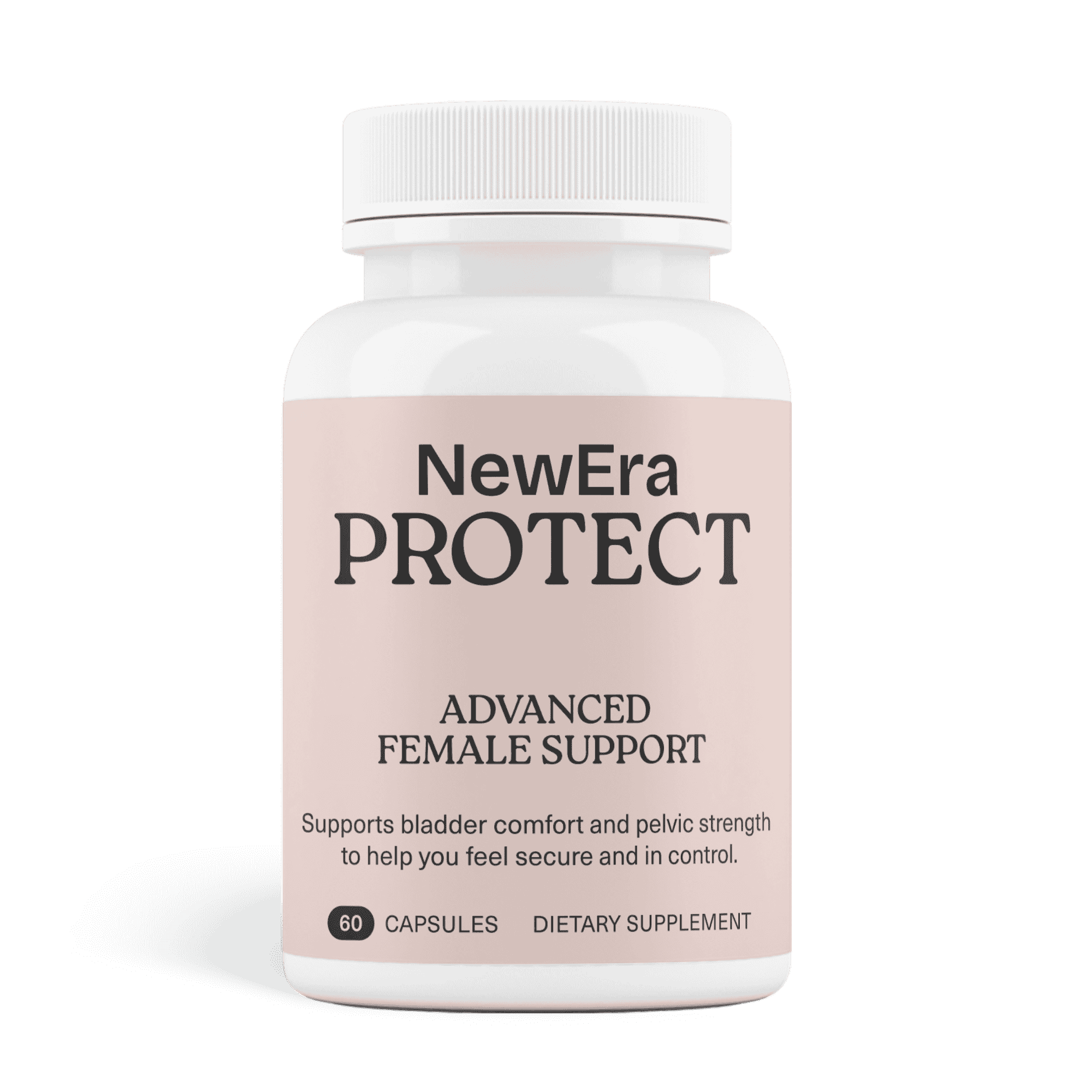
That's why I focus on hydration, movement, pelvic floor support, and giving my body the nutrients it needs to thrive. It's also one of the reasons I created NewEra Protect... to provide women with additional support for healthy bladder and urinary tract function as they age.*
Small changes really can make a difference.
*These statements have not been evaluated by the Food and Drug Administration. This product is not intended to diagnose, treat, cure, or prevent any disease.
The Bottom Line
If you're struggling with urgency, frequency, or bladder discomfort, your diet may be one piece of the puzzle.
Foods like caffeine, artificial sweeteners, carbonated beverages, citrus fruits, spicy foods, and alcohol can sometimes aggravate symptoms.
But remember:
Every body is different.
The goal isn't perfection.
The goal is awareness.
By paying attention to your body's signals and making small adjustments, you may discover simple ways to support your bladder and feel more comfortable throughout the day.
And sometimes, those small changes add up to a big difference.
Before letting you go, I do want to mention that this article is meant for educational purposes only and reflects my experience working in the pelvic health space. I am not a medical doctor, and this content is not a substitute for professional medical advice, diagnosis, or treatment. Please consult your healthcare provider before starting any new supplement or wellness routine.
With love,
Alex Miller

Alex Miller is the founder of NewEra Naturals and the creator of Pelvic Floor Strong. She has spent over a decade helping women understand and support their pelvic health naturally. Alex lives in Canada with her daughter, Linen, and is passionate about empowering women through education, movement, and simple daily support.
Read more
Many women assume bladder leaks are simply a normal part of aging. But what if your posture is playing a role? Learn how the way you sit, stand, and breathe can affect your pelvic floor and bladder...
Wondering why your workouts aren't delivering the same results after 50? Learn how aging, hormones, muscle loss, and recovery affect fitness—and what actually works for women over 50.
Leave a comment
All comments are moderated before being published.
This site is protected by hCaptcha and the hCaptcha Privacy Policy and Terms of Service apply.