





Let's get straight to the question most women are quietly Googling at midnight:
Do I actually need surgery to fix this — or is there another way?
The medical establishment tends to present bladder leakage as a spectrum: try some Kegels, maybe take a medication, and if nothing works, surgery. What often gets lost in that conversation is how many women never needed to reach that point at all.
The evidence is clear: for the majority of women, bladder leakage can be significantly reduced — and in many cases reversed — without surgery. The catch is that "natural" doesn't mean passive. It means targeted, consistent, and smart.
Here's exactly what that looks like.
First, Let's Clear Up What "Reversed" Actually Means
Before diving into solutions, this matters: managing expectations is part of actually getting results.
"Reversed" rarely means waking up one morning with zero symptoms after two weeks of effort. What it realistically means — and what research consistently supports — is:
- Dramatically fewer leaks during daily activities
- Regained control during exercise, sneezing, and laughing
- Reduced urgency and fewer bathroom sprints
- Confidence to move through your day without planning around your bladder
For most women, that outcome is completely achievable. And for many, it represents a total transformation in quality of life.
What Type of Bladder Leakage Are We Talking About?
Not all bladder leakage is the same, and the type matters for knowing what to do about it.
Stress urinary incontinence is leakage triggered by physical pressure — a sneeze, a jump, a cough, picking something up. This is the most common type and the one most responsive to non-surgical approaches.
Urge incontinence (overactive bladder) is the sudden, intense urge to urinate that's hard to override — sometimes leading to leakage before you reach the bathroom. This is closely connected to the nervous system and bladder sensitivity.
Mixed incontinence is a combination of both. It's extremely common and responds well to the layered approach described below.
The 4 Non-Surgical Approaches That Actually Work
1. Pelvic Floor Coordination Training — Not Just Kegels
Here's the most important thing most women are never told: the problem often isn't that the pelvic floor is weak. It's that it's out of sync.
Your pelvic floor doesn't work in isolation. It functions as part of a coordinated system with your core, your diaphragm, and your breath. When that system breaks down — through pregnancy, hormonal changes, years of high-impact activity, or prolonged sitting — leaks happen not because you need to squeeze harder, but because the coordination is off.
This is why doing more Kegels sometimes makes things worse, not better. If the pelvic floor is already tight or poorly coordinated, adding more contraction without addressing the pattern doesn't fix the root issue.
Pelvic Floor Strong addresses this directly. Instead of isolated squeezing, it retrains the entire system — teaching the pelvic floor to properly engage, release, and respond to real-life movement. This is the type of functional retraining that produces lasting results, not just temporary improvement.
2. Nutritional Support for Bladder and Connective Tissue
This is where most "natural remedy" conversations fall short — they focus only on movement and completely miss the tissue health component.
Your bladder and its surrounding support structures depend on healthy connective tissue, adequate hydration at the cellular level, and a balanced inflammatory environment to function properly. Over time — and especially with hormonal shifts — that internal environment changes in ways that contribute to leakage.
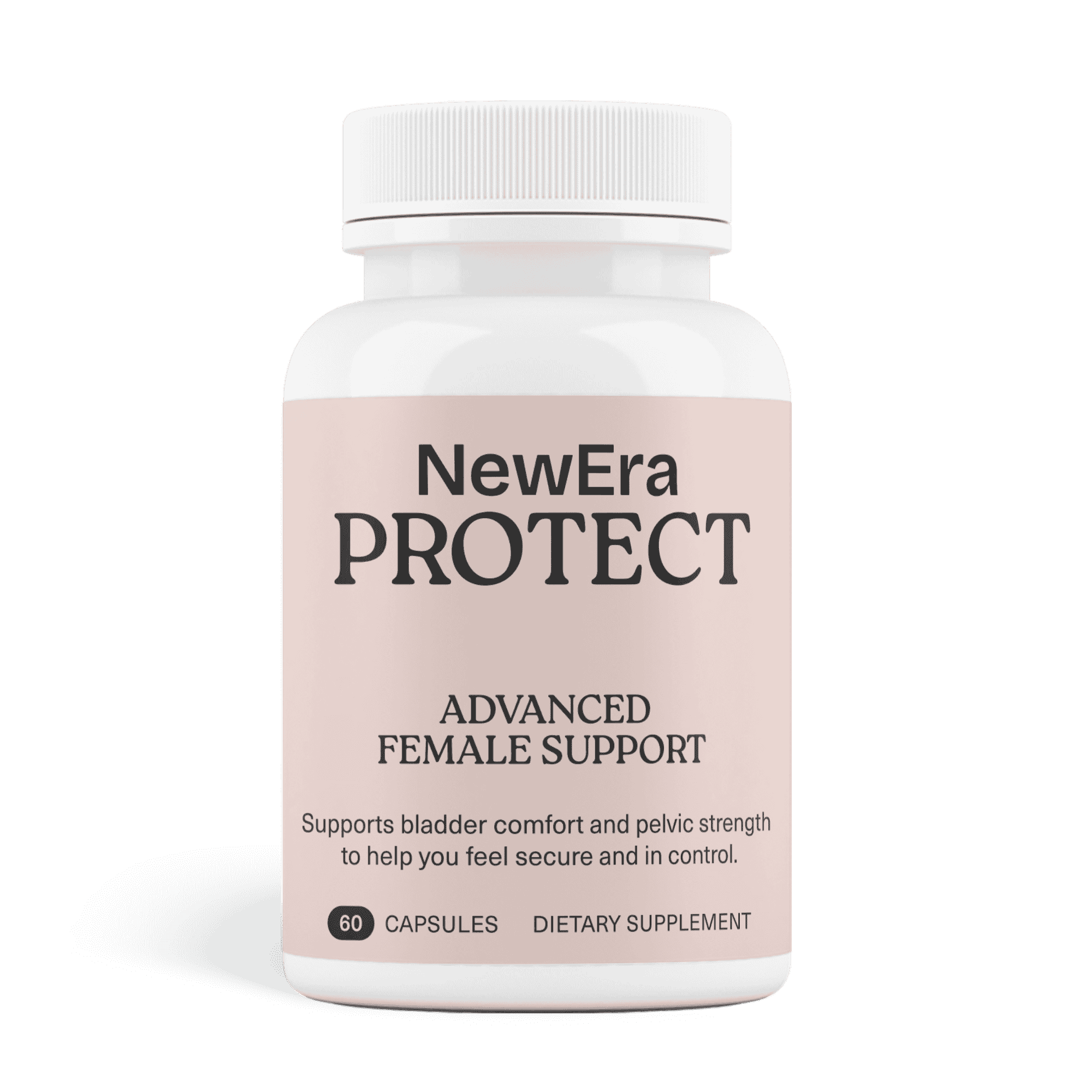
NewEra Protect was formulated specifically to address this gap. It combines three key botanical ingredients with strong traditional use in urinary health:
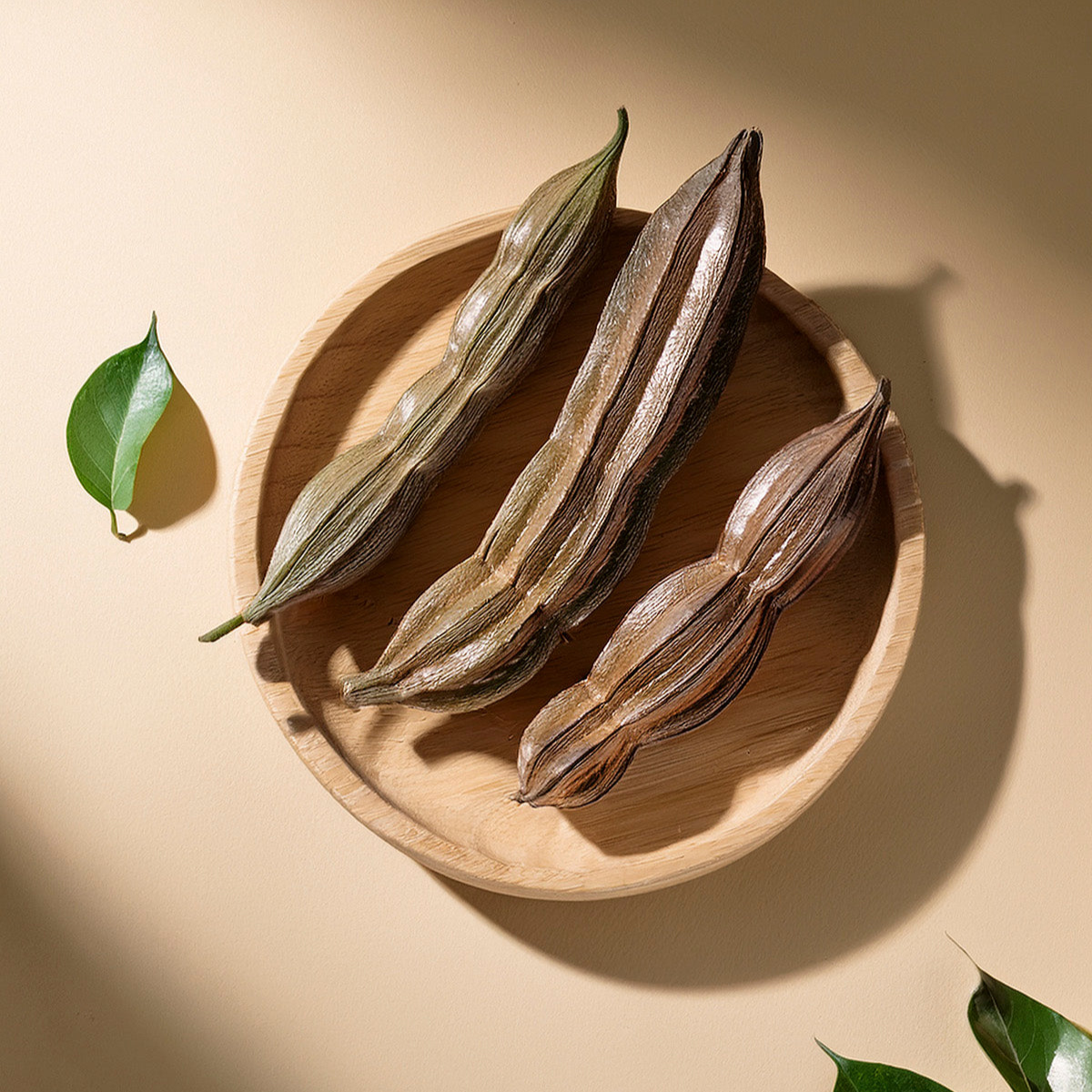
- Crataeva — used for centuries in Ayurvedic medicine to support bladder tone and urinary control
- Horsetail — a concentrated source of silica that supports connective tissue integrity throughout the pelvic region
- Japanese Knotweed — contains resveratrol, which supports healthy inflammatory balance in bladder and urethral tissue
This isn't a quick fix — it's a daily foundation that supports your body's ability to rebuild from within, working alongside movement-based approaches rather than replacing them.
3. Bladder Retraining
This approach is evidence-backed and underused. The premise is straightforward: your bladder is trainable. The urgency signals it sends are, to a significant degree, learned patterns — and they can be unlearned.
Bladder retraining involves gradually extending the time between bathroom trips (starting with urinating on a set schedule, then slowly increasing the interval), which recalibrates how much urine your bladder can comfortably hold and reduces the "false alarm" urgency signals that trigger leaks.
Research consistently shows bladder retraining reduces episodes of urge incontinence — often dramatically — when practiced consistently over 6–12 weeks.
4. Nervous System Regulation
This is the piece that surprises most people — and often unlocks results when nothing else has fully worked.
Your bladder has a direct, highly sensitive connection to your autonomic nervous system. When your nervous system is chronically activated — running on stress, poor sleep, and low-grade anxiety — your bladder becomes hyperreactive. It signals urgency more often, responds more intensely to small amounts of urine, and is harder to override.
This is why many women notice their bladder symptoms spike during stressful periods or after poor sleep. It's not in their heads — it's a real physiological response.
Supporting the nervous system means more than just "relaxing." It means building consistent daily practices that shift your nervous system out of chronic activation: diaphragmatic breathing (which directly calms the bladder's nerve signaling pathway), regular gentle movement, reducing caffeine and alcohol that chemically stimulate the bladder lining, and creating predictable sleep rhythms.
None of these feel dramatic. Together, they're often the difference between plateauing and making real progress.
When Does Surgery Actually Make Sense?
To be clear: surgery is a legitimate option, and for some women it's the right one.
Studies show that over 77% of women with stress urinary incontinence are cured or have significant improvements lasting up to 11 years after surgery. Those are strong outcomes for the right candidates.
Surgery tends to make sense when structural damage is significant and non-surgical approaches have been genuinely tried and failed, when incontinence is severe enough to substantially impair daily functioning, or when a prolapse or anatomical issue requires correction that can only be achieved surgically.
What surgery is not is a first resort, or an inevitable destination. Regular pelvic floor muscle training, with or without complementary therapies, may be the most effective non-surgical treatment — and conservative approaches have reported no serious adverse events, unlike medicinal treatments.
The order of operations matters. Non-surgical first, surgical if needed.
Frequently Asked Questions
How long does it take to see improvement without surgery? Most women notice early changes within 4–6 weeks of consistent effort. Meaningful, sustained improvement typically develops over 3–6 months. The timeline depends on the type and severity of incontinence and how consistently the approach is followed.
Can bladder leakage that's been going on for years still be reversed? Yes. The pelvic floor responds to retraining at any age, and bladder tissue can be supported nutritionally regardless of how long symptoms have been present. Duration of symptoms doesn't determine your ceiling for improvement — the quality of your approach does.
Are Kegel exercises enough on their own? For mild stress incontinence in women with good baseline coordination, Kegels can help. But for most women — especially those whose symptoms are moderate, longstanding, or connected to hormonal changes — isolated Kegel exercises are insufficient. Whole-system retraining, bladder retraining, and internal tissue support are all part of an effective approach.
What about medications for overactive bladder? Medications for urge incontinence exist and can reduce symptoms. However, they come with side effects (dry mouth, constipation, cognitive effects in older women) and don't address the underlying dysfunction. They're most useful as a short-term bridge while behavioral and nutritional approaches take effect.
Can diet really affect bladder leakage? Yes — significantly. Caffeine, alcohol, carbonated drinks, citrus, and spicy foods are known bladder irritants that worsen both urgency and frequency. Reducing or eliminating these can produce noticeable improvement on its own, especially for women with overactive bladder.
The Honest Bottom Line
Bladder leakage is not a life sentence. It is not something you simply have to manage with pads while waiting to decide whether surgery is worth it.
It is a functional condition — driven by real, identifiable factors — that responds to real, targeted support.
The women who see the most improvement are the ones who stop treating this as a single-solution problem and start addressing all the moving parts: pelvic floor coordination, tissue health, bladder behavior, and nervous system regulation — consistently, over time.
That's not complicated. But it does require actually starting.
Ready to start? [Explore Pelvic Floor Strong →] and [Learn about NewEra Protect →]
Before letting you go, I do want to mention that this article is meant for educational purposes only and reflects my experience working in the pelvic health space. I am not a medical doctor, and this content is not a substitute for professional medical advice, diagnosis, or treatment. Please consult your healthcare provider before starting any new supplement or wellness routine.
With love,
Alex Miller

Alex Miller is the founder of NewEra Naturals and the creator of Pelvic Floor Strong. She has spent over a decade helping women understand and support their pelvic health naturally. Alex lives in Canada with her daughter, Linen, and is passionate about empowering women through education, movement, and simple daily support.
Read more
Bladder leaks getting worse in your 40s or 50s? It's not just aging — estrogen, pelvic floor changes & your nervous system all play a role. Here's what actually helps.
If you’ve started noticing bladder leaks in your 40s (or beyond), it can feel confusing… and honestly, a little frustrating. You might be thinking: “Why is this happening now?”“I didn’t have this ...
Leave a comment
All comments are moderated before being published.
This site is protected by hCaptcha and the hCaptcha Privacy Policy and Terms of Service apply.