




If you’ve started noticing bladder leaks in your 40s (or beyond), it can feel confusing… and honestly, a little frustrating.
You might be thinking:
“Why is this happening now?”
“I didn’t have this issue before…”
Here’s the truth:
Pee leaks in women over 40 are incredibly common.
But they’re not random… and they’re not something you’re stuck with.
Let’s walk through what’s actually going on.
The Real Reason Pee Leaks Start After 40
Bladder leaks don’t usually come from just one cause.
They happen when a few key systems in your body start to shift at the same time.
1. Hormonal Changes (This Is a Big One)
As you move through your 40s, your body begins transitioning into perimenopause.
This comes with a gradual decline in estrogen.
And estrogen plays a bigger role than most women realize.
It helps support:
- Bladder tissue elasticity
- Urethral strength
- Overall urinary control
As levels shift, the bladder and surrounding tissues can become more sensitive and less supported.
This can lead to:
- Leaks when you sneeze or laugh
- More frequent urges to go
- Less control than you used to have
2. Pelvic Floor Dysfunction
Your pelvic floor is responsible for supporting your bladder and controlling leaks.
Over time, especially after:
- Pregnancy
- Childbirth
- Years of movement patterns
- Sitting for long periods
…these muscles can become:
- Weakened
- Tight
- Or uncoordinated
And here’s the part most people miss:
It’s not just about strength.
Many women actually have a pelvic floor that isn’t working in sync with their core and breath.
That’s when leaks show up.
3. Changes in Tissue and Collagen Support
As we age, the body naturally produces less collagen.
That affects your:
- Skin
- Joints
- Hair
…and also the connective tissues that support your bladder.
With less structural support, the bladder can become more vulnerable to pressure.
Which means leaks can happen more easily during everyday movements.
4. Nervous System + Stress
This is one of the most overlooked causes.
Your bladder is directly connected to your nervous system.
If your body is constantly in a heightened state of stress, your bladder can become more reactive.
This can show up as:
- Sudden urgency
- Frequent bathroom trips
- Leaks that feel unpredictable
5. Lifestyle Factors That Add Up Over Time
Small habits over the years can also play a role, like:
- High-impact workouts without proper support
- Chronic straining (constipation, heavy lifting)
- Poor posture
- Ignoring early symptoms
Individually, they may not seem like much.
But over time, they add up.
Why It Can Feel Like It “Came Out of Nowhere”
One of the most common things women say is:
“This just started happening all of a sudden.”
But in reality, your body has likely been adapting for years.
It just reaches a point where it needs more support.
What Actually Helps
The good news?
Your body is incredibly responsive when you give it the right support.
1. Rebuild Pelvic Floor Coordination
Instead of just doing more Kegels, focus on retraining how your body works as a system.
Programs like Pelvic Floor Strong help reconnect:
- Pelvic floor
- Core
- Breath
So your body can respond properly in real-life situations.
2. Support Your Bladder From Within
As your body’s natural support systems change, targeted nutrition can help.
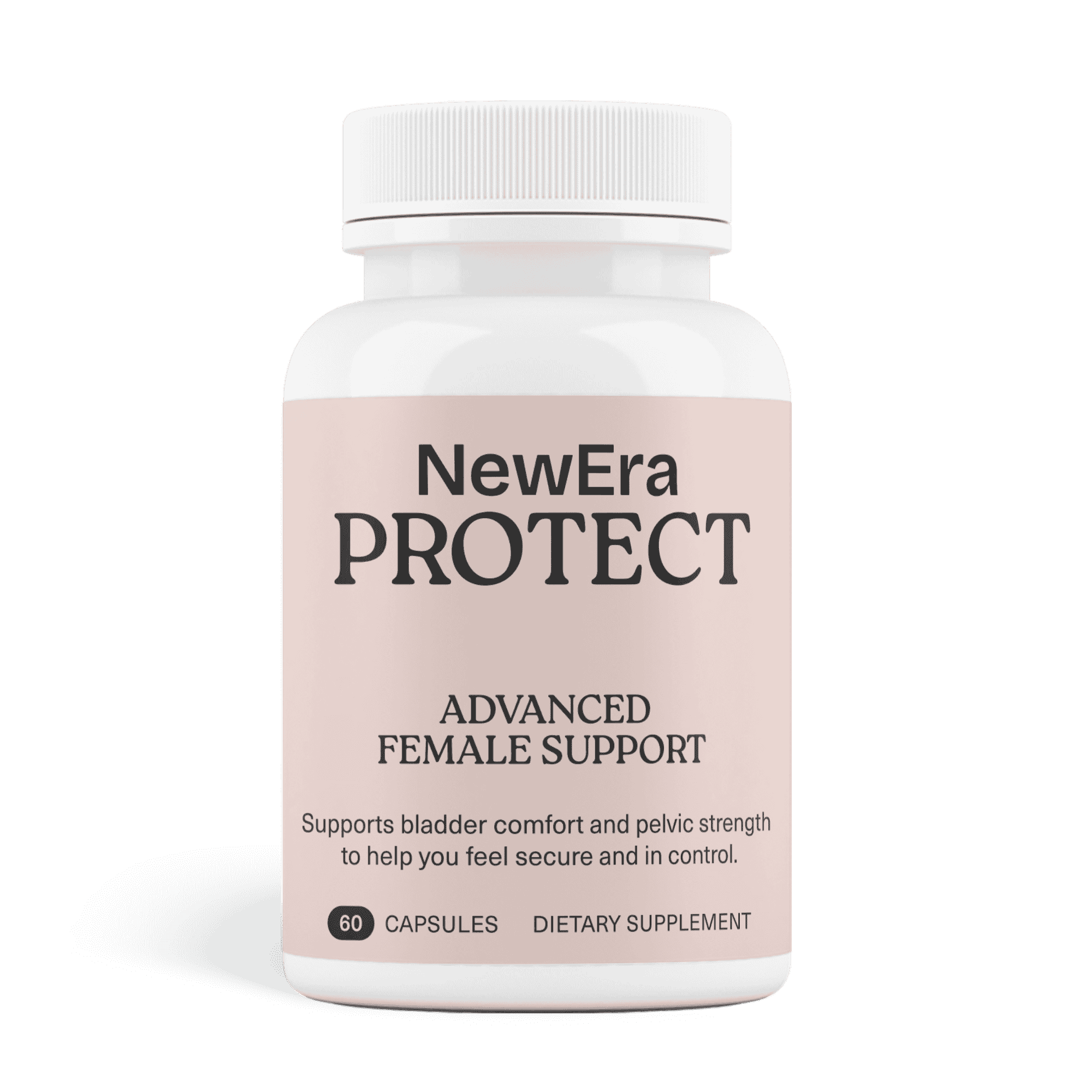
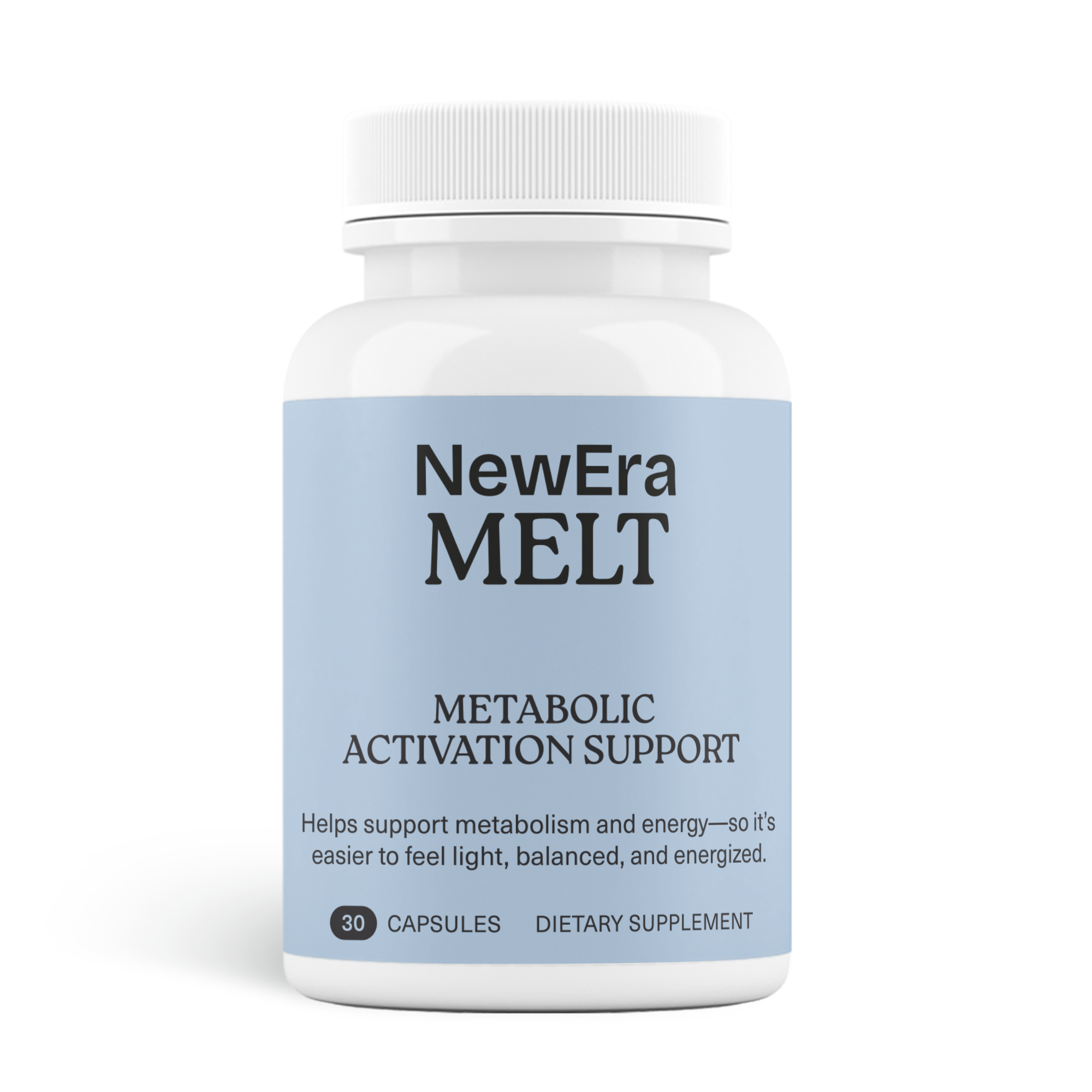
NewEra Protect was designed specifically for women in this stage of life to support:
- Bladder tissue strength
- Urinary control
- Healthy inflammatory balance
- Overall pelvic health
With ingredients like Crataeva, Horsetail, and Boswellia, it works gently alongside your body.
3. Support Your Nervous System
This doesn’t have to be complicated.
Simple daily shifts like:
- Slowing your breathing
- Creating moments of calm
- Gentle movement
can help reduce bladder sensitivity over time.
4. Catch It Early (Even If It’s Been Years)
Even if leaks feel new… or even if they’ve been around for a while…
It’s never too late to support your body.
Many women see noticeable improvement with small, consistent changes.
When Should You Pay Attention?
If you’re experiencing:
- Leaks during everyday movements
- Increased urgency or frequency
- Avoiding activities because of bladder concerns
…it’s your body asking for support.
Not something to push through.
You’re Not Alone And You’re Not Stuck
Pee leaks in women over 40 are common.
But they’re not just something you have to accept.
When you understand what’s causing them, everything starts to make more sense.
And when you support your body in the right way, things can shift.
Final Thoughts
If you’ve been wondering why this is happening now…
It’s not random.
It’s your body changing.
And with the right support, you can feel more in control again.
Before letting you go, I do want to mention that this article is meant for educational purposes only and reflects my experience working in the pelvic health space. I am not a medical doctor, and this content is not a substitute for professional medical advice, diagnosis, or treatment. Please consult your healthcare provider before starting any new supplement or wellness routine.
With love,
Alex Miller

Alex Miller is the founder of NewEra Naturals and the creator of Pelvic Floor Strong. She has spent over a decade helping women understand and support their pelvic health naturally. Alex lives in Canada with her daughter, Linen, and is passionate about empowering women through education, movement, and simple daily support.
Read more
Most women assume bladder leakage means surgery or pads forever. The truth? Many cases improve significantly without either. Here's what the evidence actually says.
If you've just heard the word "prolapse" for the first time — and you're now deep in a Google search spiral at midnight — this is the article you need. First, the answer to the question you're rea...
Leave a comment
All comments are moderated before being published.
This site is protected by hCaptcha and the hCaptcha Privacy Policy and Terms of Service apply.