


Can I tell you something?
For something that affects millions of women, we don't talk nearly enough about pelvic health.
We talk about wrinkles.
We talk about gray hair.
We talk about metabolism.
But nobody really prepares us for the changes that can happen "down there."
The sudden urge to find a bathroom.
The little leak when you laugh.
The feeling of pressure that wasn't there before.
The changes in intimacy.
The realization that your body doesn't always respond the way it used to.
If you've experienced any of these things, I want you to know two things:
First, you're not alone.
And second, you're definitely not broken.
Let's talk about what no one tells women about aging and pelvic health.
The Truth? Pelvic Health Changes as We Age
Just like our skin, muscles, and joints change over time, so does the pelvic floor.
Your pelvic floor is a group of muscles that helps support your bladder, bowel, and reproductive organs.
These muscles also play an important role in:
- Bladder control
- Bowel control
- Core stability
- Balance
- Sexual wellness
- Everyday movement
Over time, factors like aging, pregnancy, childbirth, menopause, and hormonal shifts can affect how these muscles function.
And yet most women are never taught a single thing about them.
You're Not the Only One Experiencing Bladder Leaks
According to the National Association for Continence, more than 25 million American adults experience urinary incontinence, and women are affected about twice as often as men.
Even more surprising?
Research suggests that nearly 50% of women will experience some form of urinary incontinence during their lifetime.
That's a lot of women quietly crossing their legs before they sneeze.
A lot of women wearing panty liners "just in case."
A lot of women planning road trips around bathroom stops.
If that's you, please know you're in very good company.
Menopause Changes More Than Most Women Realize
One of the biggest pelvic health shifts often happens during perimenopause and menopause.
As estrogen levels decline, tissues throughout the pelvic region can change.
Some women notice:
- Increased bladder urgency
- More frequent bathroom trips
- Vaginal dryness
- Changes in intimacy
- Reduced pelvic floor support
- Increased sensitivity to bladder irritants
Many women think these symptoms simply mean they're getting older.
But often they're signs that the body needs support in new ways.
The Part Nobody Talks About
Can we have a little heart-to-heart?
One of the hardest parts about pelvic health challenges isn't always the physical symptoms.
It's how they make women feel.
I've spoken to women who stopped exercising because they were worried about leaking.
Women who stopped traveling comfortably.
Women who avoided social events.
Women who felt embarrassed discussing something that affects millions of people.
I wish every woman knew this:
Pelvic health challenges are incredibly common.
Common doesn't mean you have to ignore them.
But it does mean you don't need to carry shame around them.
Pelvic Health Is About More Than Kegels
If you've spent any time online, you've probably heard one piece of advice over and over:
"Just do Kegels."
But pelvic health is often more complex than that.
Your pelvic floor doesn't work in isolation.
It works alongside:
- Your diaphragm
- Your core muscles
- Your posture
- Your breathing patterns
- Your overall movement habits
That's why improving pelvic health often involves a bigger-picture approach.
5 Ways to Support Pelvic Health After 50
1. Keep Moving
Movement is one of the best gifts you can give your body.
Walking, strength training, stretching, yoga, and mobility work all help support healthy aging.
Movement supports circulation, muscle function, balance, and overall wellbeing.
2. Don't Ignore Bladder Symptoms
Many women wait years before talking about bladder concerns.
You deserve support.
Even small symptoms can be worth addressing before they become bigger frustrations.
3. Stay Hydrated
This one surprises people.
Some women drink less water because they're worried about bathroom trips.
But concentrated urine can sometimes irritate the bladder even more.
Consistent hydration often supports bladder comfort.
4. Support Your Body With Good Nutrition
The foods we eat influence energy, inflammation, muscle health, and overall wellness.
Focus on:
- Lean proteins
- Fruits and vegetables
- Healthy fats
- Fiber-rich foods
- Plenty of water
Small daily choices really do add up.
5. Prioritize Strength
Strength isn't just about muscles you can see.
It's also about supporting the muscles that support you.
Maintaining strength as you age can help support balance, confidence, mobility, and overall quality of life.
Supporting Women's Health Through Every Stage
One of the reasons I created NewEra Naturals was because I saw how many women were looking for support that recognized the reality of aging.
Not anti-aging.
Not "fixing" ourselves.
Supporting ourselves.
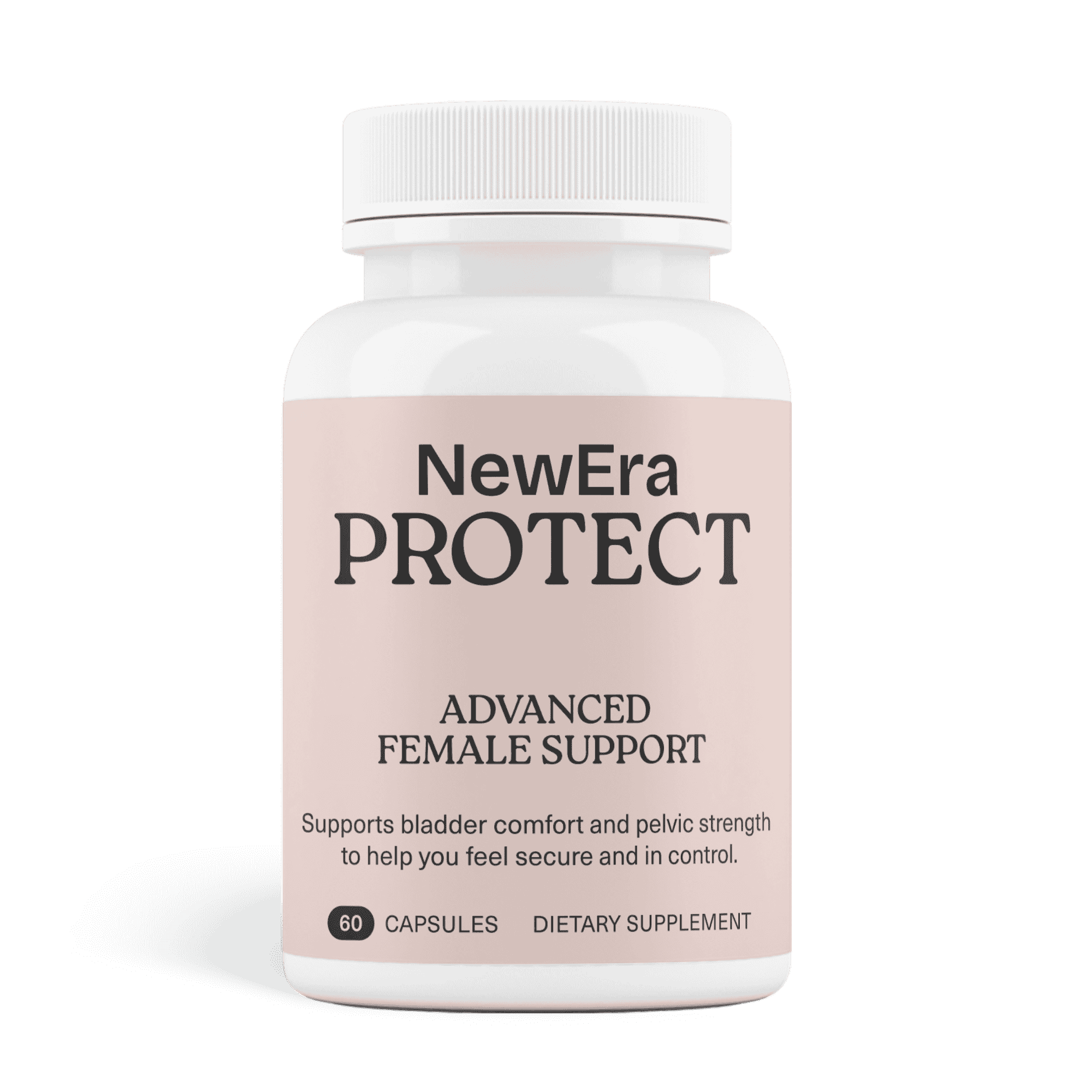
For women focused on bladder and urinary wellness, NewEra Protect was formulated to provide nutritional support for healthy bladder and urinary tract function.*
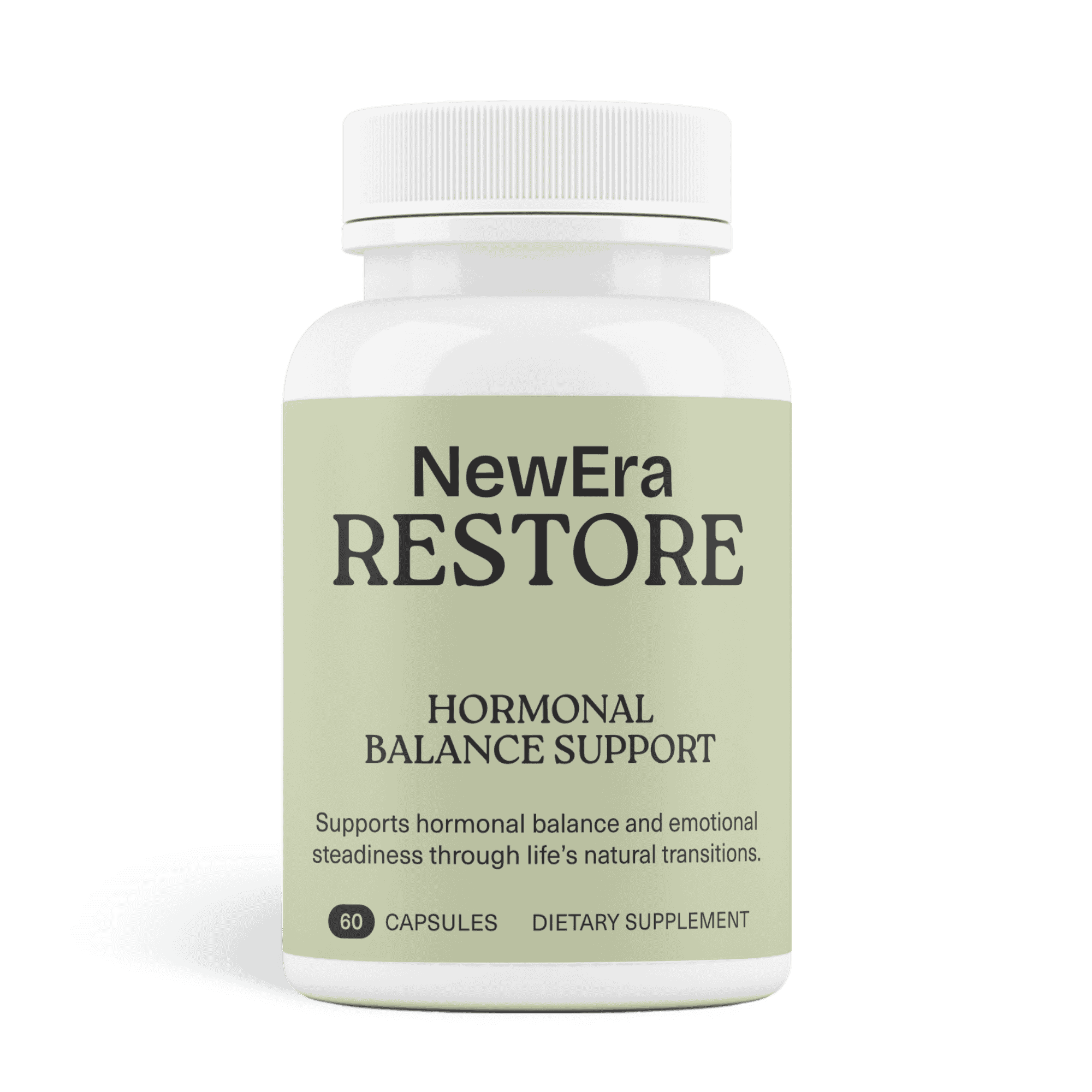
For women navigating hormonal changes, mood shifts, energy fluctuations, and the transition through menopause, NewEra Restore was designed with ingredients like Vitamin B6, Vitamin B12, Dong Quai, Ashwagandha, Ginkgo, and Maca to support hormonal health, energy, cognitive function, stress response, and overall wellbeing.*
No supplement replaces healthy habits.
But many women appreciate having additional support as they move through different stages of life.
My Biggest Wish for Women Over 50
I wish more women knew that pelvic health isn't something you lose.
It's something you can continue supporting.
Your body may be changing.
But changing doesn't mean failing.
You deserve to feel strong.
You deserve to feel confident.
You deserve to feel comfortable in your body.
And perhaps most importantly?
You deserve to know that you're not alone.
The Bottom Line
Aging and pelvic health go hand in hand.
Changes in bladder control, pelvic floor function, and hormonal health are incredibly common—but they're rarely discussed openly.
The good news is that there are many ways to support your body through these changes, including movement, strength training, hydration, nutrition, pelvic floor awareness, and targeted wellness support.
Because healthy aging isn't about turning back the clock.
It's about giving your body what it needs to thrive in the season you're in.
*These statements have not been evaluated by the Food and Drug Administration. This product is not intended to diagnose, treat, cure, or prevent any disease.
Before letting you go, I do want to mention that this article is meant for educational purposes only and reflects my experience working in the pelvic health space. I am not a medical doctor, and this content is not a substitute for professional medical advice, diagnosis, or treatment. Please consult your healthcare provider before starting any new supplement or wellness routine.
With love,
Alex Miller

Alex Miller is the founder of NewEra Naturals and the creator of Pelvic Floor Strong. She has spent over a decade helping women understand and support their pelvic health naturally. Alex lives in Canada with her daughter, Linen, and is passionate about empowering women through education, movement, and simple daily support.
Read more
Wondering why your workouts aren't delivering the same results after 50? Learn how aging, hormones, muscle loss, and recovery affect fitness—and what actually works for women over 50.
Wondering if you have pelvic floor dysfunction? Learn the most common symptoms, including bladder leaks, pelvic pressure, urgency, and core weakness, plus ways to support pelvic health.
Leave a comment
All comments are moderated before being published.
This site is protected by hCaptcha and the hCaptcha Privacy Policy and Terms of Service apply.