

 When I first started talking about pelvic floor health, I assumed most women knew what the pelvic floor was.
I was wrong.
In fact, many women don't learn about their pelvic floor until something starts feeling... off.
Maybe it's a little bladder leakage when you laugh.
Maybe it's that constant feeling of needing to find the nearest bathroom.
Maybe it's pressure, discomfort, or simply the feeling that your body isn't working quite the way it used to.
The tricky part?
Many women experience symptoms of pelvic floor dysfunction without realizing that's what they're dealing with.
So let's talk about it.
What does pelvic floor dysfunction actually feel like?
First, What Is the Pelvic Floor?
Your pelvic floor is a group of muscles that sits like a supportive hammock at the bottom of your pelvis.
These muscles help support:
- Your bladder
- Your bowel
- Your reproductive organs
They also play an important role in:
- Bladder control
- Bowel control
- Core stability
- Balance
- Sexual wellness
- Everyday movement
When these muscles aren't functioning properly, symptoms can show up in ways many women don't expect.
You're Not Alone
According to research published in the Journal of the American Medical Association, nearly one in four women experience symptoms related to pelvic floor disorders.
And those numbers increase with age.
Yet despite how common pelvic floor dysfunction is, many women suffer quietly because they assume their symptoms are simply a normal part of getting older.
While pelvic floor changes can become more common with age, that doesn't mean you should ignore them.
What Does Pelvic Floor Dysfunction Feel Like?
The answer is a little different for every woman.
Some women experience just one symptom.
Others experience several.
Here are some of the most common signs.
1. Bladder Leaks
This is often the symptom women notice first.
Maybe it happens when you:
- Laugh
- Cough
- Sneeze
- Exercise
- Jump
- Lift something heavy
Many women assume this is just part of aging.
But frequent bladder leaks can be a sign that the pelvic floor needs support.
2. Constant Bathroom Trips
Do you feel like you're always looking for the nearest restroom?
Do you suddenly need to go RIGHT NOW?
Frequent urination and urgency can sometimes be linked to pelvic floor dysfunction.
3. A Feeling of Pressure "Down There"
Many women describe this sensation as:
- Heaviness
- Fullness
- Pressure
- A feeling that something is "falling"
This symptom is often overlooked because it can be difficult to describe.
But it's one of the most common complaints I hear from women.
4. Lower Back Pain
This one surprises people.
Because the pelvic floor works closely with the core and surrounding muscles, dysfunction can sometimes contribute to discomfort in the lower back.
That doesn't mean every case of back pain is pelvic floor related.
But the two can be connected.
5. Difficulty Emptying Your Bladder
Some women feel like they never completely empty their bladder.
Others find themselves returning to the bathroom shortly after they've already gone.
This can sometimes be related to how the pelvic floor muscles are functioning.
6. Constipation or Straining
The pelvic floor helps support healthy bowel function too.
Difficulty with bowel movements, straining, or feeling like you can't fully empty can sometimes be associated with pelvic floor dysfunction.
7. Pain During Intimacy
This is one symptom that many women hesitate to talk about.
But it's more common than you might think.
For some women, pelvic floor dysfunction can contribute to discomfort during intimacy.
And no, it's not something you should feel embarrassed discussing.
8. Core Weakness
Have you ever felt like your core just isn't as strong as it used to be?
The pelvic floor is part of your deep core system.
When one part of that system isn't functioning optimally, the effects can sometimes be felt elsewhere.
9. You Stop Trusting Your Body
This isn't a medical symptom.
But it's a real one.
Many women start planning their day around bathroom locations.
They avoid jumping exercises.
They stop wearing certain clothes.
They feel anxious about long car rides.
I've heard these stories thousands of times.
And they matter.
10. Something Just Feels Different
Sometimes women can't quite explain it.
They simply know something feels off.
And honestly?
That intuition is worth listening to.
You know your body better than anyone.
The Biggest Myth About Pelvic Floor Dysfunction
Can I bust a myth for a moment?
Many women think pelvic floor dysfunction automatically means weak muscles.
That's not always true.
Sometimes muscles are weak.
Sometimes they're tight.
Sometimes they're not coordinating properly.
The pelvic floor is far more complex than most of us were ever taught.
That's one reason why "just do Kegels" isn't always the complete answer.
What Can Contribute to Pelvic Floor Dysfunction?
Several factors may play a role, including:
- Pregnancy
- Childbirth
- Aging
- Menopause
- Chronic constipation
- Repetitive heavy lifting
- Surgery
- Injury
- Posture changes
- Long periods of sitting
For many women, it's not one single event.
It's the accumulation of life experiences over time.
5 Ways to Support Your Pelvic Floor
1. Keep Moving
Walking, mobility work, strength training, and gentle exercise all support overall pelvic health.
2. Pay Attention to Posture
The pelvic floor works closely with your core, breathing muscles, and posture.
Small adjustments can make a difference.
3. Stay Hydrated
Proper hydration supports bladder and urinary health.
4. Support Your Bladder Health
Many women find it helpful to be mindful of bladder irritants and focus on healthy daily habits that support urinary wellness.
5. Don't Wait to Seek Support
Many women live with symptoms for years before addressing them.
You deserve support sooner rather than later.
Supporting Your Pelvic Health Through Every Stage
One thing I've learned after working with women for so many years is that pelvic health isn't just about one thing.
It's about supporting your body as a whole.
That's one of the reasons we created NewEra Naturals.
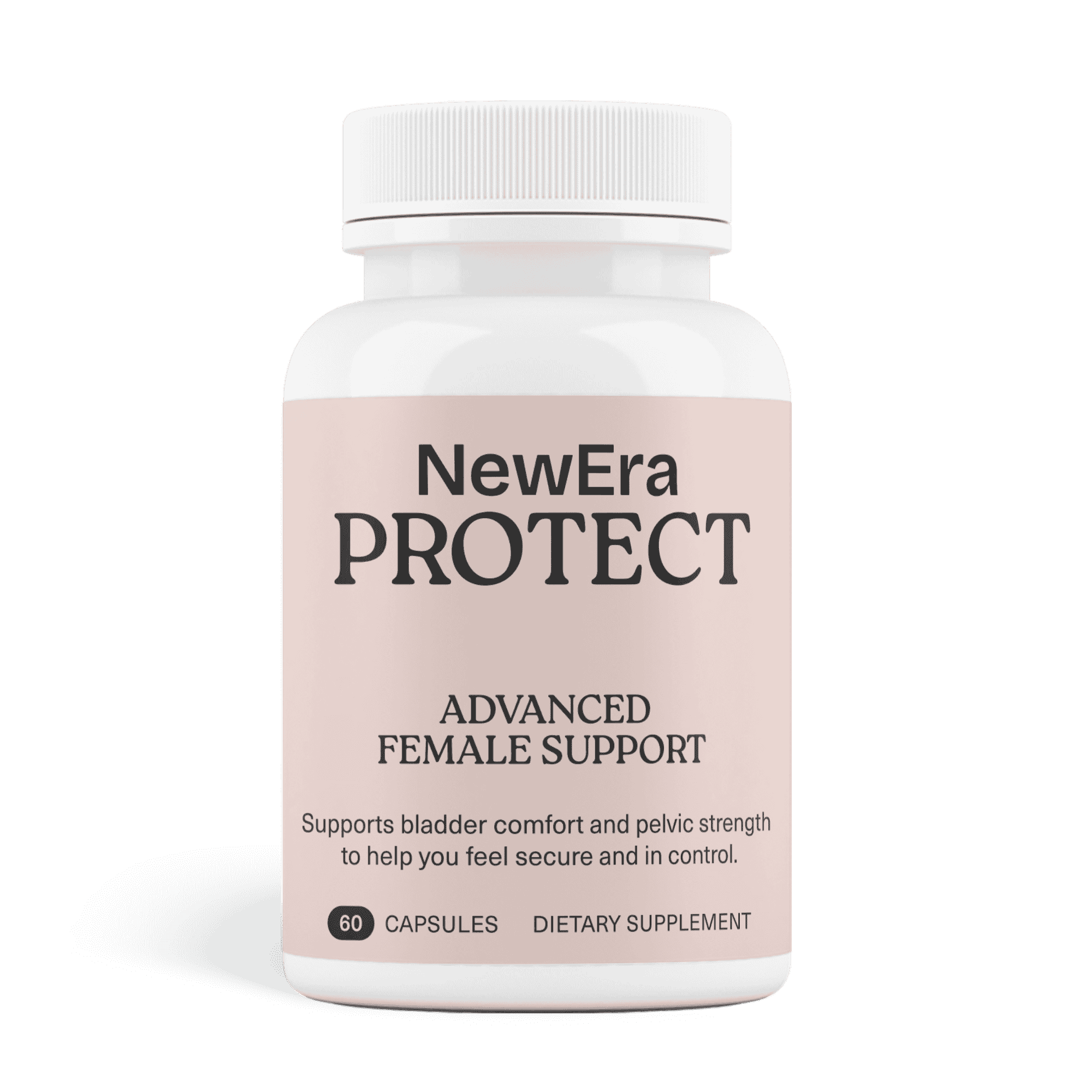
For women looking to support healthy bladder and urinary tract function, NewEra Protect was formulated to provide targeted nutritional support as part of a healthy lifestyle.*
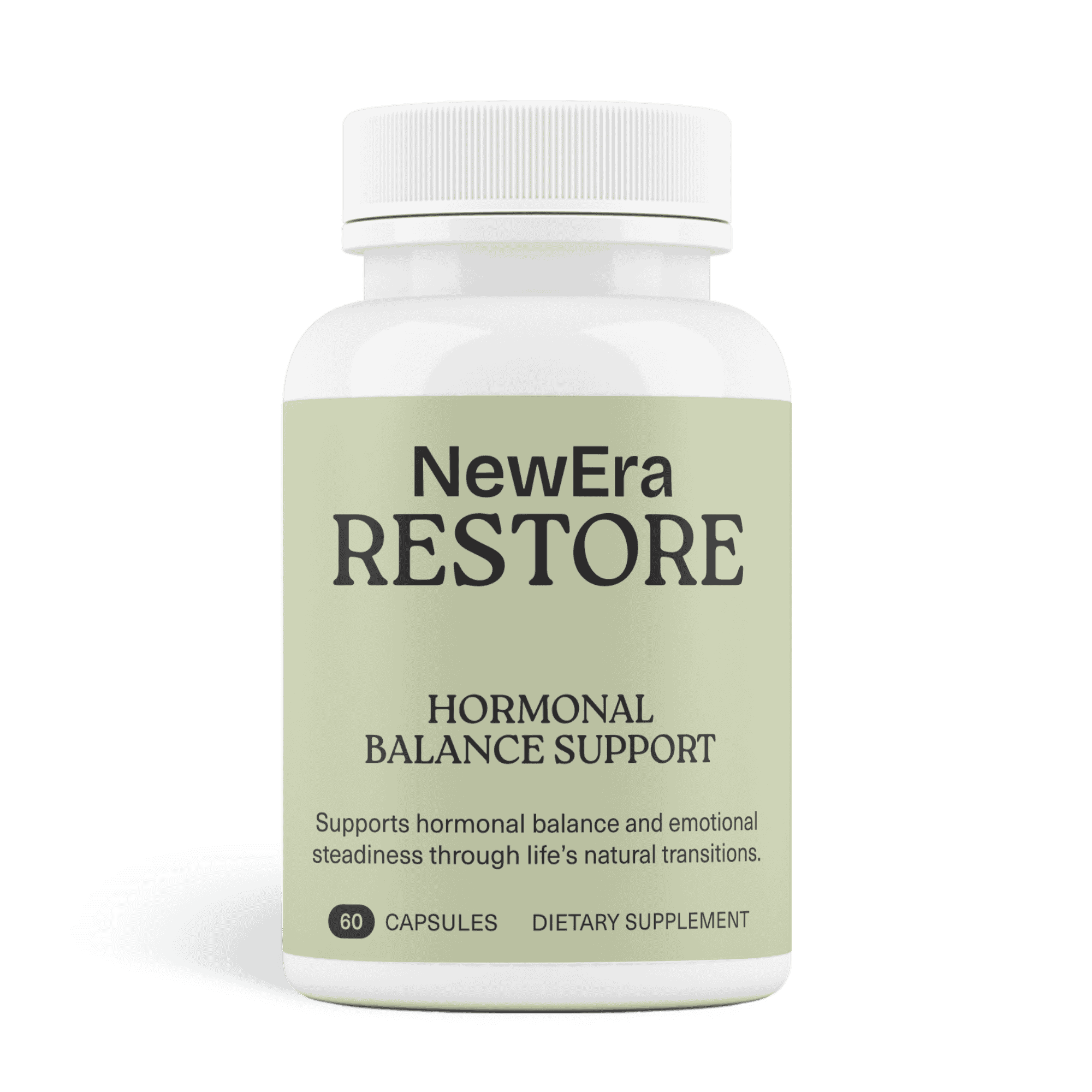
And because hormonal changes can influence pelvic health too, many women also choose to support their overall wellbeing with NewEra Restore, which contains ingredients like Vitamin B6, Vitamin B12, Ashwagandha, Ginkgo, and Maca to support hormonal health, mood, energy, and stress response.*
No supplement replaces healthy habits.
But many women appreciate having additional support as they navigate the natural changes that come with aging.
The Bottom Line
Pelvic floor dysfunction can feel different for every woman.
For some, it's bladder leaks.
For others, it's urgency, pressure, discomfort, constipation, or simply the feeling that something isn't quite right.
The important thing to remember is this:
These symptoms are common.
But they shouldn't be ignored.
The sooner you understand what's happening, the sooner you can start supporting your body in ways that help you feel stronger, more confident, and more comfortable in your everyday life.
Because aging isn't about losing yourself.
It's about learning how to support yourself in new ways.
Before letting you go, I do want to mention that this article is meant for educational purposes only and reflects my experience working in the pelvic health space. I am not a medical doctor, and this content is not a substitute for professional medical advice, diagnosis, or treatment. Please consult your healthcare provider before starting any new supplement or wellness routine.
With love,
Alex Miller

Alex Miller is the founder of NewEra Naturals and the creator of Pelvic Floor Strong. She has spent over a decade helping women understand and support their pelvic health naturally. Alex lives in Canada with her daughter, Linen, and is passionate about empowering women through education, movement, and simple daily support.
Read more
Can I tell you something? For something that affects millions of women, we don't talk nearly enough about pelvic health. We talk about wrinkles.We talk about gray hair.We talk about metabolism. Bu...
Let's talk about something that doesn't get nearly enough attention. Have you ever noticed that since menopause, you're making more trips to the bathroom? Maybe you suddenly feel the urge to go—ev...
Leave a comment
All comments are moderated before being published.
This site is protected by hCaptcha and the hCaptcha Privacy Policy and Terms of Service apply.